Keep up with the real estate market in South Redondo Beach. South Redondo, or homes in the 90277 zip are generally more expensive than 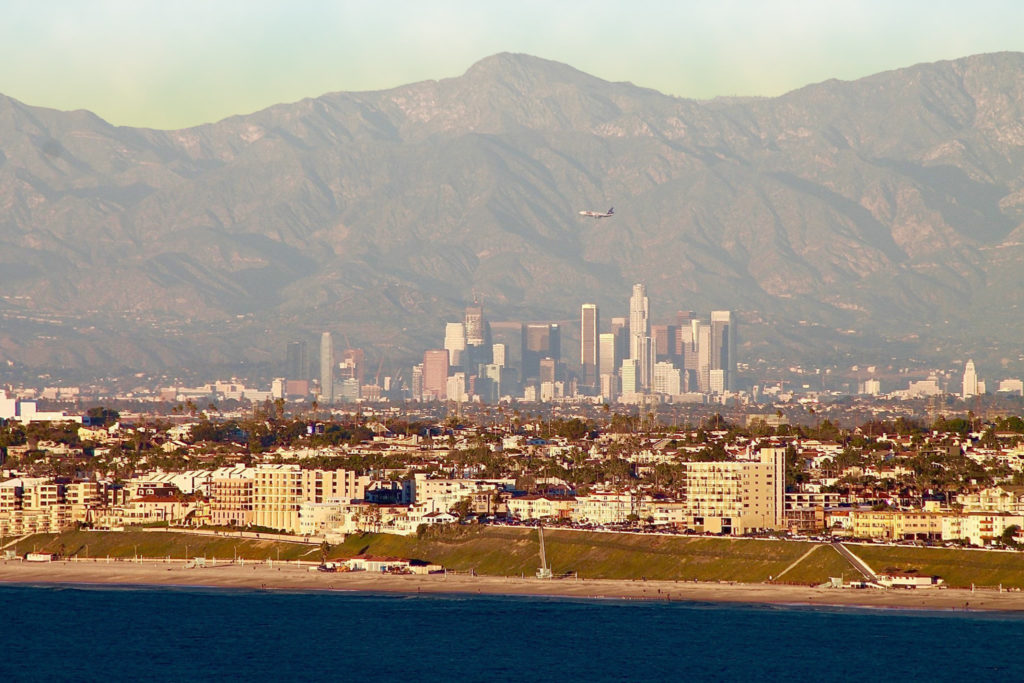 the equivalent homes in North Redondo…..why? The primary reason is location as South Redondo extends all the way to the beach along the Esplanade, whereas homes in North Redondo are a car ride or longer walk/bike ride from the beach. Take a look below at the most recent real estate trends and statistics for only the 90277 zip in South Redondo Beach.
View the current homes for sale in the 90277 zip code area of South Redondo Beach CA
The chart below displays the number of rcent active homes for sale (light green) pending sales (red line) and closed home sales (dark green)
The chart below shows the average price per square feet for all types of homes in 90277
The chart below shows average days on market as well as the % that the homes sold compared with the asking price.
The chart below shows the average list price in South Redondo Beach and the average sales price.
The chart below shows the months of inventory for all home types in South Redondo Beach based on the recent number of closed home sales
 and more.
  saw a low point with only 267 pending sales. It’s gone up dramaticallywith 366 pending sales in January and 503 homes in February.